Rise With the Sun: Yoga Livestreams Tuned for Body Clocks and Brilliant Morning Light

Welcome! We’re diving into optimizing sunrise yoga livestreams for circadian health and intentional light exposure, translating cutting‑edge chronobiology into practical camera setups, timing choices, verbal cues, and movement sequences. Expect evidence‑anchored tips, friendly storytelling, and studio tricks that make dawn light usable and safe. Together, we’ll shape consistent mornings that entrain your body clock, lift mood, sharpen focus, and feel achievable, even on cloudy days or in small apartments. Join the chat, subscribe, and greet tomorrow’s horizon with confidence.

Dawn Science, Gently Explained

Before pressing Go Live, it helps to understand what sunrise does inside you: melatonin eases, cortisol rises, body temperature drifts upward, and retinal cells report daybreak to your brain. We’ll connect these rhythms to choices about timing, light direction, and pacing, so the stream supports wakefulness without jolting sensitive nervous systems. Expect clear explanations, memorable metaphors, and respectful nuance you can share with participants who love knowing why practice feels different at first light.

The Melatonin–Cortisol Handoff

Just before sunrise, melatonin production tapers, creating a soft handoff to a healthy cortisol rise that should feel like steady brightness rather than a spike. Plan your countdown, opening breathwork, and first standing poses to land during this transition, reinforcing alertness without overstimulating viewers who joined from bed or dim rooms.

First Light Isn’t Midday: Spectra and Angles

Early solar angles bathe the environment in lower-intensity, blue‑enriched light with long shadows, different from harsh noon exposure. Calibrate expectations accordingly: encourage participants to face windows, keep glasses off briefly if safe, and let eyes receive gentle illumination while cameras avoid clipping highlights, preserving atmosphere and circadian signals simultaneously.

Designing Light That Loves the Lens and the Body

Morning light is medicine, yet cameras can misinterpret it. We’ll map window orientation, horizon obstructions, and reflectors so participants and instructors receive real retinal daylight while viewers enjoy pleasing images. Learn to place mats, tripods, and diffusers for safe lux levels, balanced white, and storytelling shadows that feel like dawn instead of studio glare.

01

Window Orientation and Horizon Awareness

Note azimuth and elevation of your sun path with a simple app, then position mats so faces receive sky-facing light without direct glare. East and southeast windows work beautifully; if blocked, bounce light with pale walls or foam boards, preserving early spectral qualities while keeping exposure stable for the sensor and the eyes.

02

Balancing Lux, Comfort, and Aesthetics

Aim for bright yet welcoming conditions: suggest viewers open curtains fully, step onto balconies, or sit near doorways, then soften contrast with sheer fabrics. Share baseline targets like two to ten minutes of outdoor light after class, not staring at the sun, while your camera keeps faces readable and colors honest.

03

Blue‑Enriched Without the Burn

You want sky exposure, not pain. Encourage participants to face the brightest patch of cloud or open shade; avoid mirror flashes and reflective phones on mats. If streaming outdoors, wear a cap, angle lenses below the disk, and use neutral-density filters to tame highlights while preserving biologically meaningful brightness cues.

Streaming Tech That Serves Your Clock

Great circadian coaching fails if viewers see blown skies and dim faces. We’ll lock white balance, rein in auto exposure, and lean on ND filters so the sensor matches reality. Learn bitrate and platform settings that keep gradients smooth, plus captioning, chat moderation, and scene changes that encourage calm, continuity, and presence.

Lock White Balance to the Morning Truth

Auto white balance often chases warm and cool shifts, erasing the gentle gold that tells the brain it is truly morning. Set a fixed Kelvin or custom preset based on a gray card before dawn, and your footage will hold consistent mood while reducing postproduction fuss and viewer distraction.

Taming Dynamic Range at Sunrise

Sun edges creep into frame quickly. Keep highlights intact with neutral‑density filters, gentle log profiles, and exposure zebras, then lift shadows with reflectors, not ISO noise. Test ten minutes before go time, because the light changes fast, and save presets per location so future mornings feel effortless and smooth.

Audio That Wakes Without Jar

Listeners often wear earbuds in dim kitchens while families sleep. Use soft compressors, high‑pass filters, and low noise floors. Replace shrill bells with wood blocks or breath counts. Offer captions for noisy homes, and keep music sparse so participants can actually notice birds, wind, and their own grounded inhales.

Sequencing Movement for the First Light
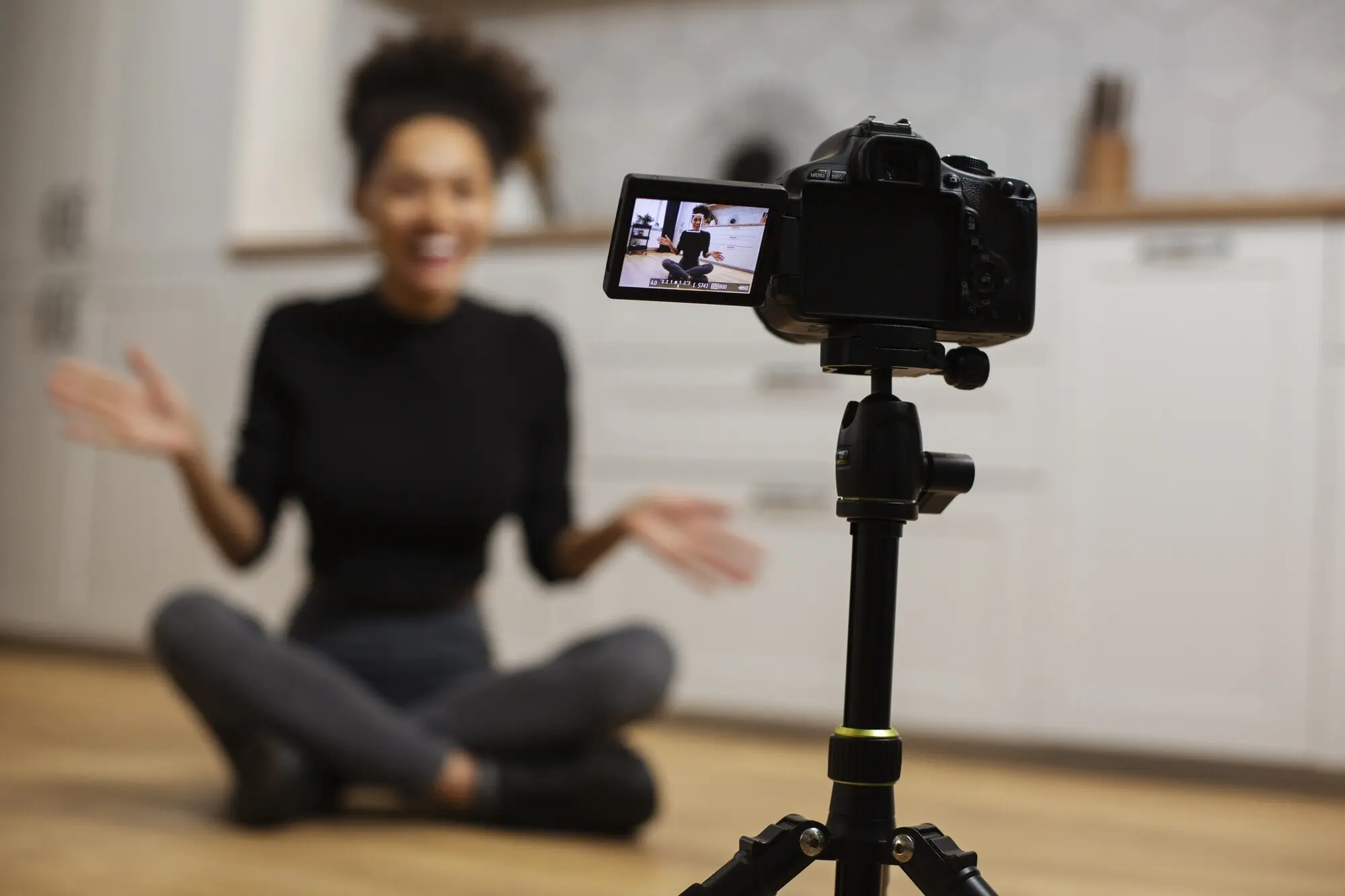
Your sequence should mirror sunrise: gentle emergence, growing presence, then clear readiness. We’ll emphasize joint lubrication, spine articulation, and vestibular orientation before intensity, syncing breath with window-facing gazes. By finishing with brief outdoor time, hydration, and daylight breaks, you amplify sleep tonight and focus today, nurturing consistency that survives weekends and travel.

Open With Invitations, Not Orders

Begin by noticing warmth on cheeks, the sound of buses starting, or the moon fading, letting sensory cues do the motivational work. Offer choices instead of mandates, framing each option as a way to meet light. People stay longer when autonomy, curiosity, and gentle novelty shape the morning atmosphere.

Celebrate Shared Sunrises

Highlight streaks with kind metrics, like days watched within two hours of dawn, rather than rigid exactness. Read viewer notes about birdsong or changing skyline colors, and respond live. Invite friends or family members to wave on camera, turning routine light exposure into a supportive, collective, memory‑making ritual.

Measure, Learn, and Iterate With the Seasons

Not everything that matters can be measured, but a few signals guide better mornings. Track consistency, mood at ten a.m., and whether viewers step outside right after class. Use light meters or phone apps sparingly. With friendly polls and comments, adjust start times, segment lengths, and intensity so sunrise works in winter and summer.

Safety, Accessibility, and Plans for Imperfect Weather

Real lives include rain, glare, migraines, and tiny rooms. Build protocols that protect eyes and nervous systems without sacrificing progress. Share guidance for cloudy latitudes, shade creation, and sunglasses timing. Offer captions, sign‑posted breaks, and clear contraindications. Keep language kind and options plentiful so everyone can meet daybreak in a way that works.

Clouds, Latitudes, and Seasonal Affective Tendencies

Even overcast light is valuable. Encourage stepping outside under porches or near bright windows, focusing on sky brightness rather than direct sun. For high latitudes, widen the live window and recommend light boxes away from eyes during work hours, while safeguarding the morning with real sky exposure whenever possible.

Apartments, Curtains, and Creative Workarounds

Small homes can still host beautiful dawn practice. Open every shade, stand in doorways, or use stairwell windows for a brighter sky view. Tilt cameras to avoid blown frames while bodies face light. Suggest reflective poster boards, neutral sheers, and plant‑filtered shadows to sculpt scenes that support both biology and storytelling.

Eye Care and Sensitive Systems

Advise viewers never to stare at the sun, to blink frequently, and to seek medical guidance for photosensitive conditions or migraines. Emphasize sky‑facing glances, hats outdoors, and indoor reflection methods when needed. Offer quiet alternatives during aura episodes, and remind everyone that sustainable practice prioritizes safety, comfort, and compassionate pacing.

Fariveltonilozori
Privacy Overview

This website uses cookies so that we can provide you with the best user experience possible. Cookie information is stored in your browser and performs functions such as recognising you when you return to our website and helping our team to understand which sections of the website you find most interesting and useful.